


What the Corporate Automation Gold Rush Looks Like From the Inside
A procurement manager at a mid-sized logistics company sent me a job spec in March. Not a freelance brief. An actual employment job spec, the kind with a salary band and a list of requirements that had clearly been assembled by someone who had attended a conference, opened six browser tabs, and combined the vocabulary from all of them without checking whether the things they were describing could coexist in a single role. It asked for experience with Power Automate, UiPath, n8n, LangChain, and “enterprise AI workflow orchestration” in the same paragraph. The salary was sixty thousand pounds. I did not apply. But I read the whole thing because it told me something accurate about where large organisations currently are with automation, which is: they have heard the words, they have signed the budgets, and they are now trying to hire someone to explain what they bought.
This is the corporate automation gold rush as it actually exists for people building in the space, not the version in the press releases from BMW and Bank of America.
The announcements are real. The investment numbers are real. When Bank of America says it has filed thousands of AI and automation patents, or when BMW describes its manufacturing automation roadmap, those are genuine strategic commitments involving genuine capital allocation. I am not dismissing the scale of what is happening. What I am saying is that the gap between an enterprise announcing an automation programme and that programme producing anything that works reliably in production is wider than the announcement implies, and wider than most people writing about the gold rush are bothering to measure.
I have done two pieces of work for corporate clients in the last eighteen months, both of them organisations with existing automation infrastructure, both of them with the same fundamental problem. They had purchased platforms. ServiceNow in one case, a Microsoft Power Platform deployment in the other, both installed by consultancies who had delivered the implementation and then departed. The workflows existed. They ran. But nobody internally understood how they ran, which meant that when something broke, and things always break, the organisation’s options were to call the consultancy back at day-rate costs that made the original implementation look cheap, or to work around the broken workflow manually while escalating internally through a chain of people who also did not understand how it ran.
In the Power Platform case, I was brought in because a specific approval flow had stopped routing correctly after a SharePoint permissions change, and the internal IT team had been unable to trace the cause for three weeks. The fix took me four hours. Not because I am particularly clever, but because I was willing to read the flow definition XML directly rather than trusting the visual designer to show me what was actually executing. The visual designer was showing a simplified representation. The actual logic included a condition that had been added at some point as a direct XML edit and was therefore invisible in the UI. The documentation for this behaviour exists but it is not in the main Power Platform docs. It is in a community blog post from 2019 that surfaces if you search for the specific error message with quotes around it.
That is enterprise automation in production. Not the gold rush version. The actual version.

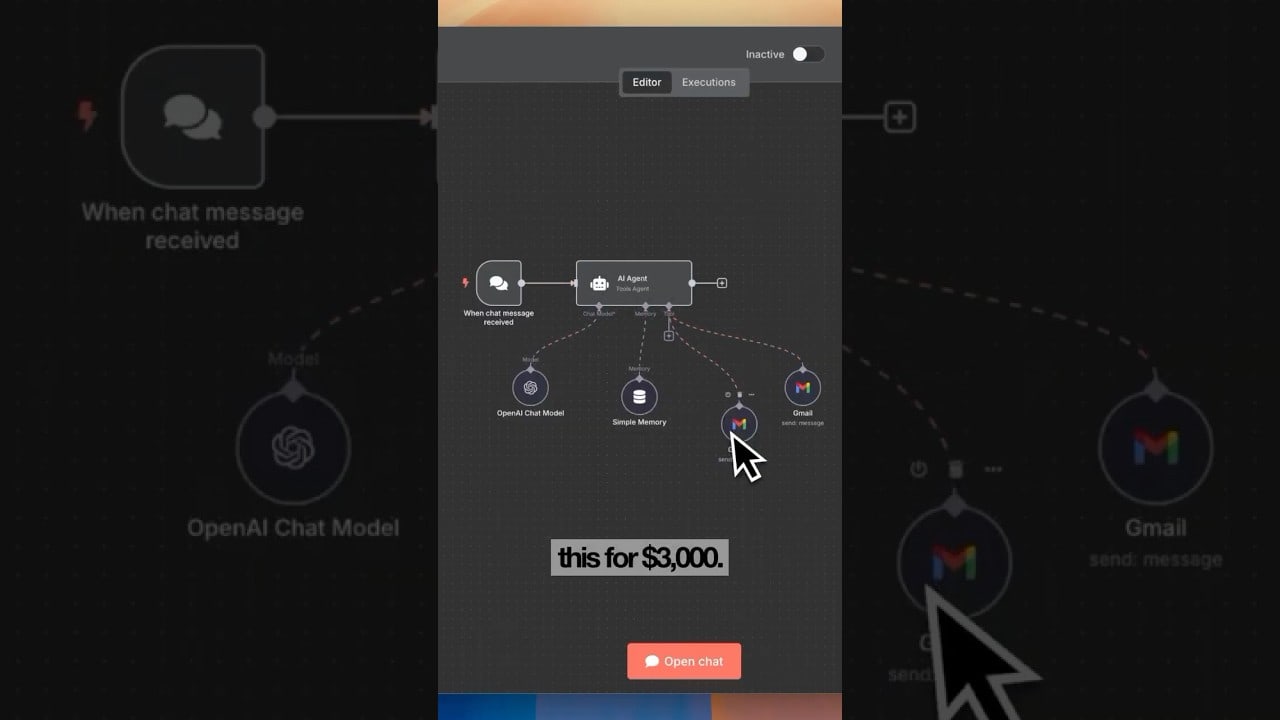
What concerns me about the current corporate AI automation surge is specifically the LangChain layer. I have built with LangChain. The demos are impressive because LangChain makes it easy to assemble something that looks like it works in a controlled environment with predictable inputs. The moment you put it in front of real data, with the variance that real data contains, the chain starts hallucinating steps, the memory handling becomes unpredictable, and the error messages are abstract enough that debugging requires understanding the internals of the framework rather than just the error itself. I have spent hours on LangChain issues that turned out to be agent loop problems where the model was deciding to call a tool it had not been given, because the prompt was ambiguous enough to allow it. There is no clean error for this. The execution just runs until it hits the step limit and times out.
Enterprise buyers are purchasing LangChain-based products right now from vendors who have built impressive demos on top of it and have not yet encountered the production failure modes at scale. BMW and Bank of America have the budget to absorb those failure modes and rebuild. The mid-market companies following their lead six months later, with smaller margins and less technical capacity, do not.
The correct response to watching large enterprises commit serious capital to automation infrastructure is not to dismiss it or to follow it uncritically. It is to understand what they are actually buying, which tools are being deployed, which consultancies are doing the implementations, and what the failure modes are when those implementations hit production reality.
n8n sits in an interesting position relative to all of this because it is legible in a way that enterprise platforms are not. You can read what a workflow is doing. You can trace an execution step by step. You can modify it without a consultancy. That transparency is not glamorous, but in eighteen months of watching enterprise automation projects succeed and fail, it is the single most undervalued property a workflow tool can have.
The gold rush will find this out the expensive way. It always does.


Olaitan Oladipo holds a BSc in Sociology from Olabisi Onabanjo University. He is a self-taught automation builder who has spent years inside n8n doing the work that most tutorials skip: debugging OAuth errors at 2am, migrating client automations from Make.com mid-project, fighting reverse proxy misconfigurations on AWS EC2, and figuring out through trial and error what actually holds up in production versus what only looks clean in a demo.
He is not a developer by training and not a SaaS founder. He is the person in the Discord server who actually answers the question instead of linking to the docs.
His writing on n8n Automation Tutorial covers self-hosting, AI agent workflows, tool comparisons, and the security vulnerabilities the automation industry would rather not discuss. He has built AI-assisted invoice approval flows using OpenAI function calling, connected Claude via HTTP Request nodes, and holds considered opinions about Zapier, Make.com, LangChain, and CrewAI that their marketing teams would not appreciate.
He writes for people who are technical enough to follow a tutorial but experienced enough to want the honest version.


